15 July 2026 · 4 min read
If you only have one base for your Croatia trip, the choice usually comes down to the country's two Dalmatian heavyweights. Dubrovnik is the icon — the walled city every traveler recognizes. Split is the hub — a living Roman city with the best transport links on the coast. They're both spectacular, and they serve two very different kinds of trip.
Here's the honest comparison, and which one we'd pick depending on how you travel.
The Short Answer
Choose Dubrovnik if the city itself is the point — you want to wake up next to the most beautiful urban scenery on the Adriatic, dine well, and take one or two boat days. Choose Split if exploration is the point — it's the coast's transport hub, with islands, national parks and historic towns all within day-trip range, at 20–30% lower hotel rates (see our cost guide).
The Cities Themselves
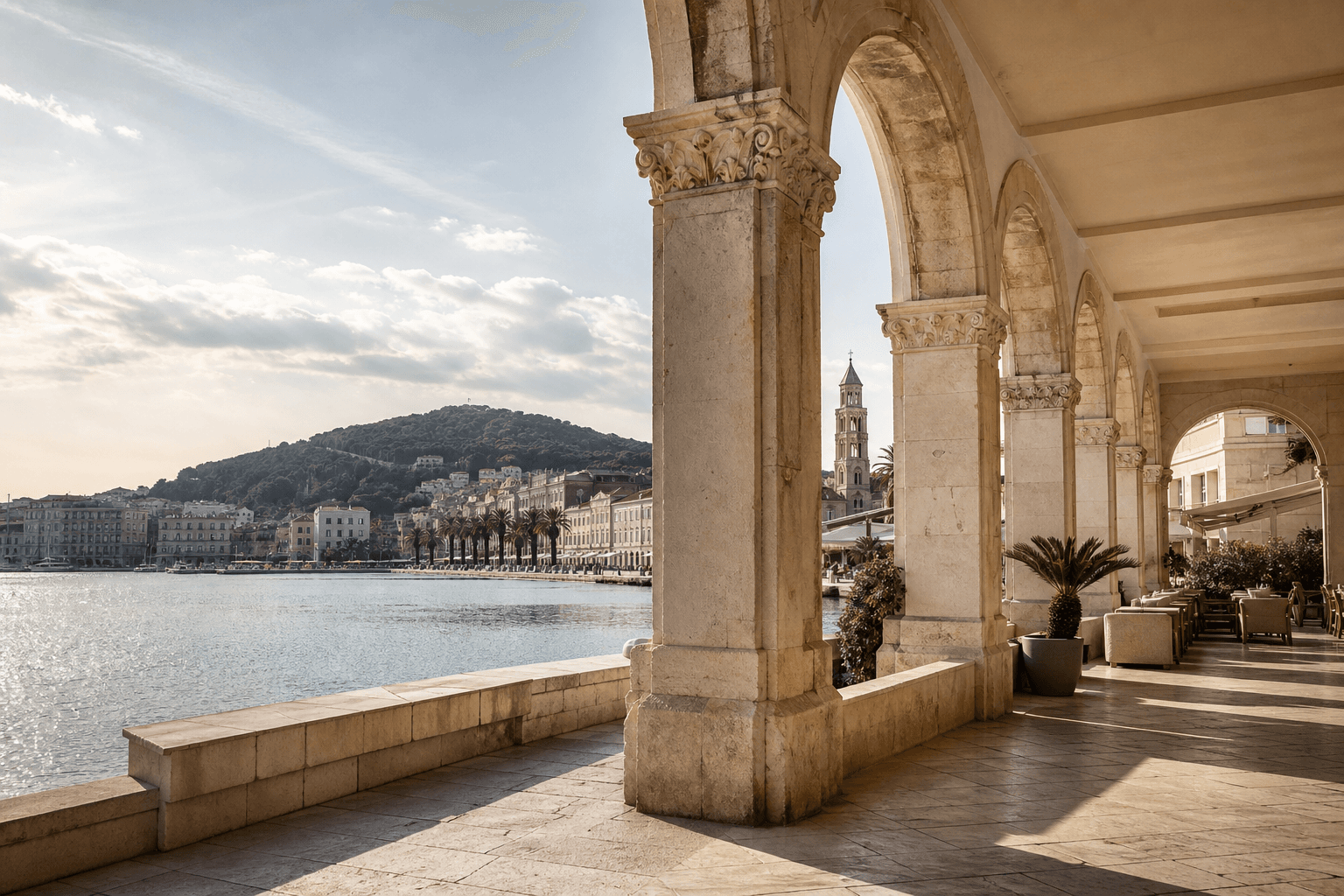
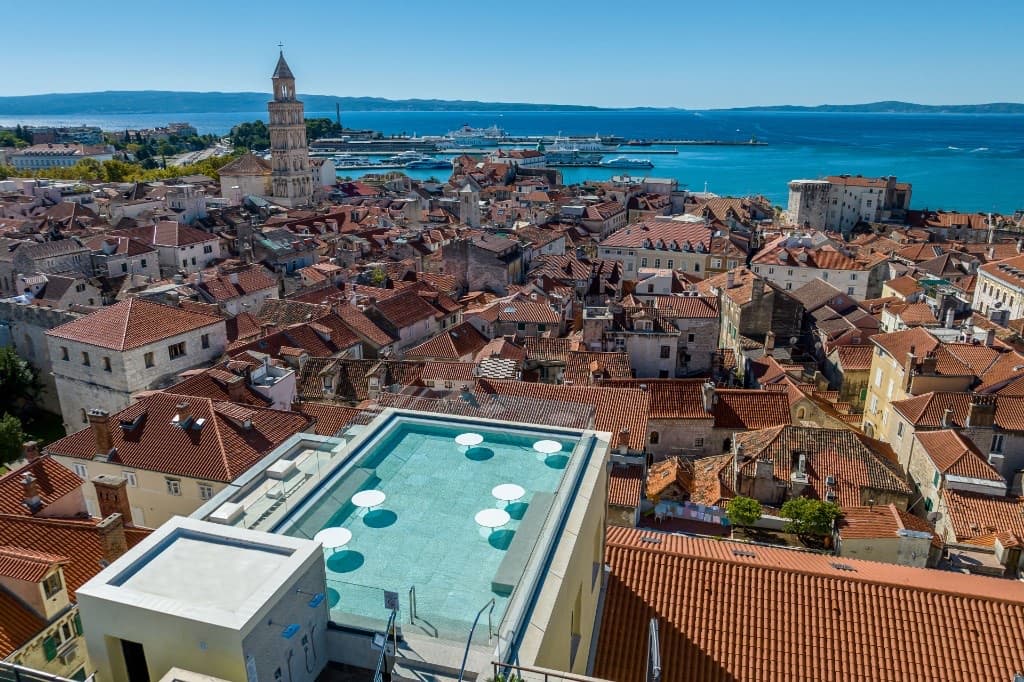
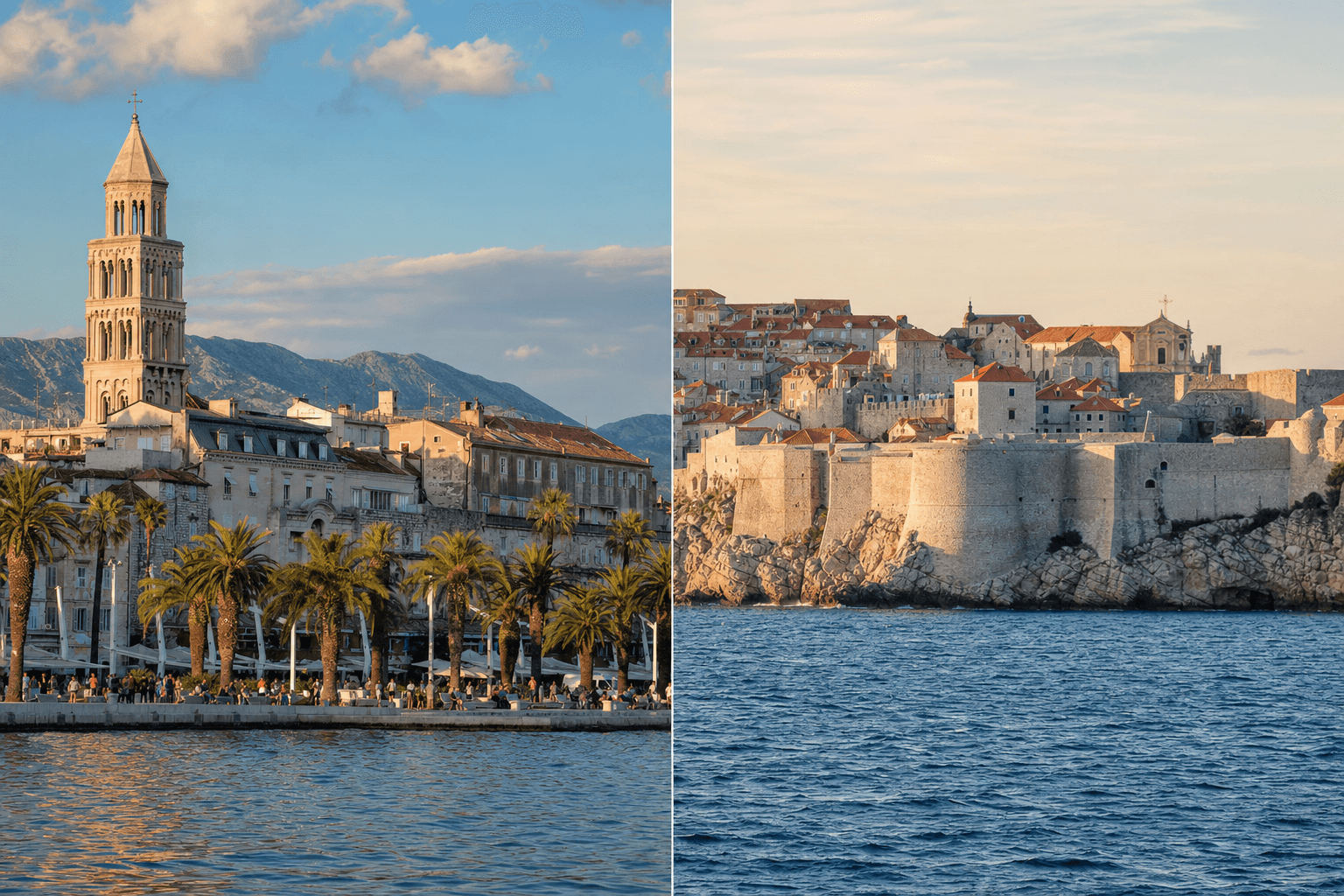
Split is built inside a working Roman palace — Diocletian's retirement home, 1,700 years old, now full of wine bars, boutiques and laundry lines. It's a real city of 160,000 people, which means it never fully belongs to tourists: locals drink coffee on the Riva year-round, and the energy is younger and more spontaneous than Dubrovnik's.
Dubrovnik is smaller, grander and more curated. The Old Town is a perfectly preserved set piece — there's simply nothing else like walking its walls at sunrise. The trade-off: it's one of Europe's most visited places, and in peak season the city hosts far more visitors than residents.
Verdict: Dubrovnik for beauty, Split for atmosphere.
The Hotels
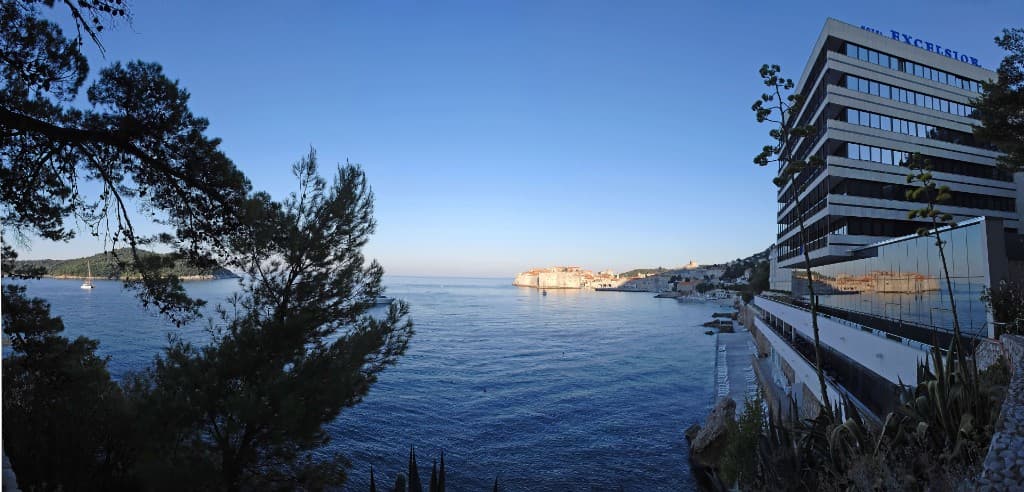
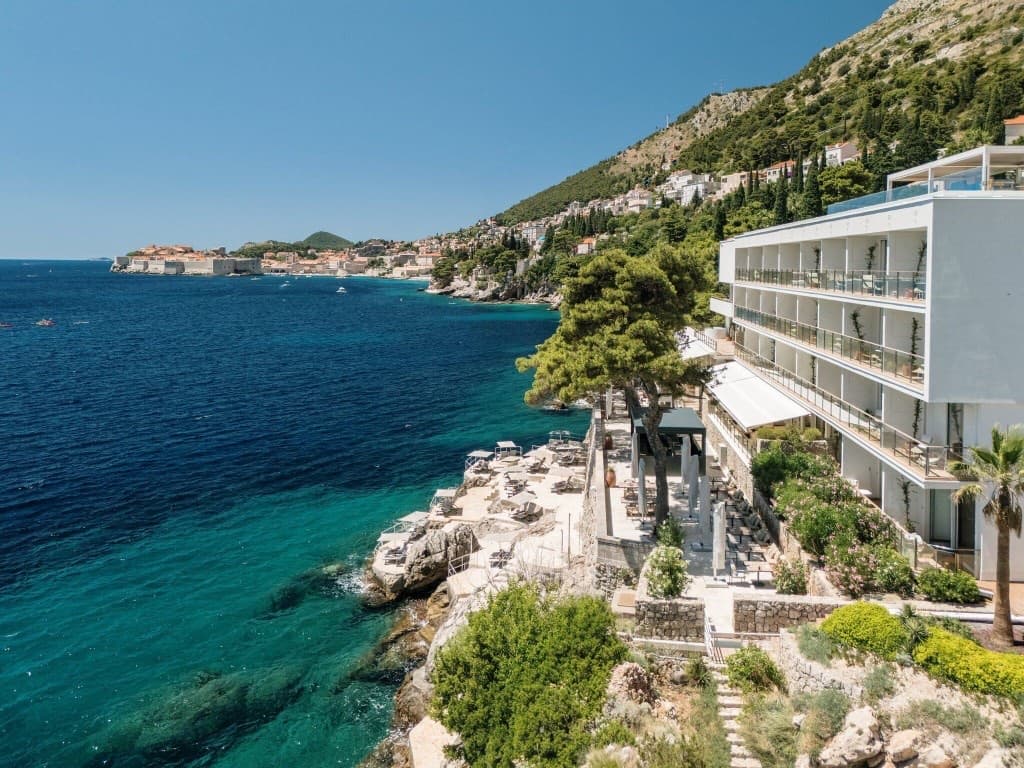
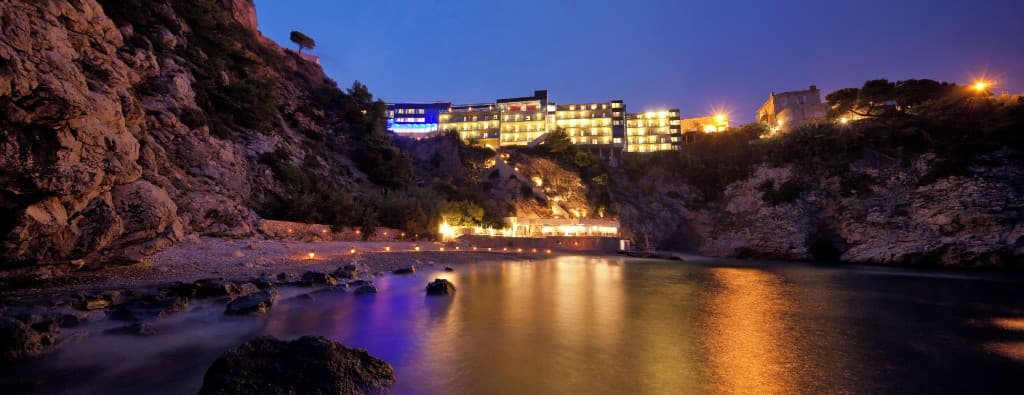
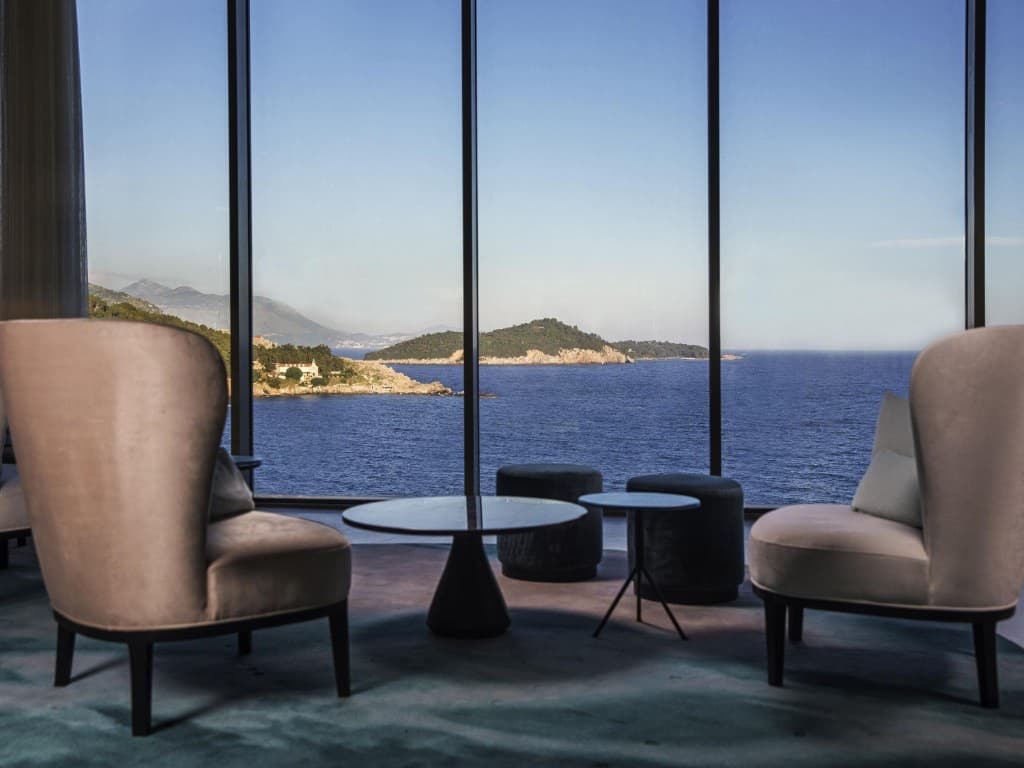
Dubrovnik has Croatia's most prestigious hotel row — cliffside five-stars with Old Town views. Hotel Excelsior and Villa Dubrovnik are destination hotels in their own right, and Hotel Bellevue adds a sheltered beach cove. Expect €500–900 per night in season.
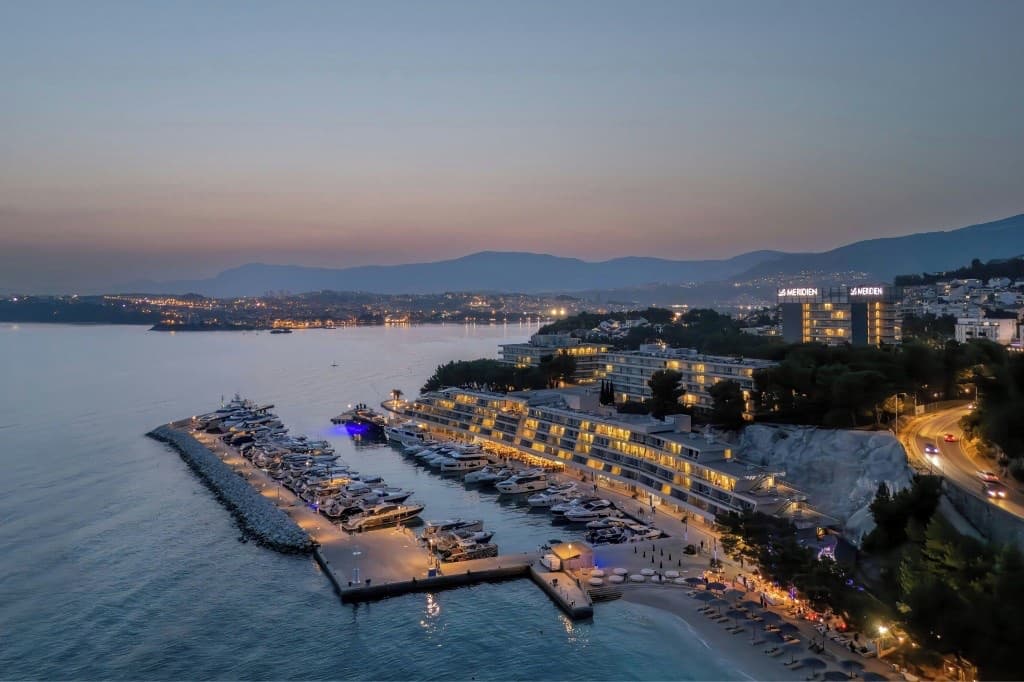
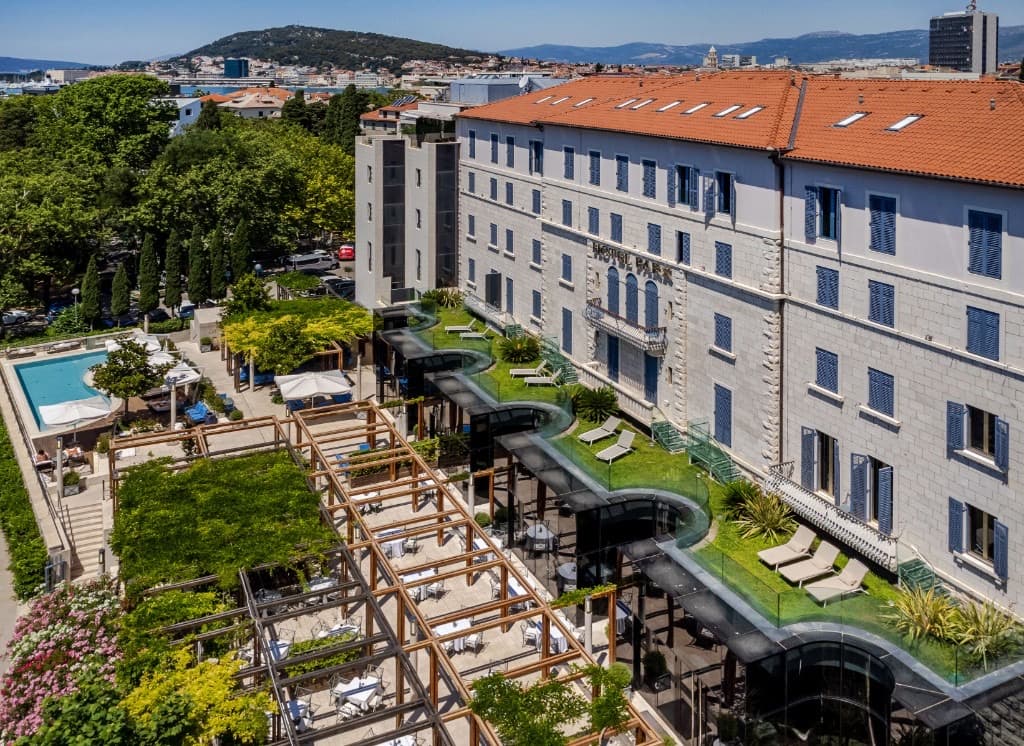
Split's luxury scene is smaller but better value. Hotel Park is the city's grande dame near Bačvice beach; Hotel Cornaro puts you steps from the palace with a rooftop terrace; and Le Méridien Lav south of the city is the full resort option — marina, spa, private beach. Expect €250–500 per night for the same dates.
Day Trips: Split Wins Decisively
This is Split's trump card. Within 60–90 minutes you can reach: Hvar and Brač by catamaran, Trogir's UNESCO old town, Krka's waterfalls, Šibenik and Zadar up the coast, and even Plitvice on a long day. Ferries and catamarans radiate from Split's harbour all day — it's the closest thing the Adriatic has to a Grand Central.
Dubrovnik's day-trip menu is shorter but lovely: the Elaphiti Islands, Mljet national park, Cavtat, Ston's oysters and the Pelješac wine roads, plus Montenegro's Kotor across the border. Enough for 3–4 days; less variety for a full week.
Crowds, Flights & Practicalities
- Crowds: Dubrovnik feels its visitors more intensely — the Old Town is compact and cruise days are noticeable. Split absorbs crowds better because life spreads across a bigger city. (Timing matters more than destination — see our month-by-month guide.)
- Flights: Both airports are well connected in summer; Split often has more budget and mid-haul routes, Dubrovnik more premium ones. Both are 20–30 minutes from town.
- Cost: Split is meaningfully cheaper across hotels, restaurants and taxis — roughly 20–30% at the luxury level. See what a luxury trip really costs.
- Nightlife & dining: Dubrovnik leads on fine dining; Split on buzzing, casual quality and bar life.
Our Verdict
- First trip to Croatia, 4–5 nights, romance or a milestone celebration: Dubrovnik. The setting justifies every euro.
- One base for a week of exploring islands and national parks: Split, without hesitation.
- Honeymoon: Dubrovnik or the islands — see our Dubrovnik vs Hvar comparison and honeymoon hotels guide.
- The best answer, again, is both: they're 3 hours apart by coastal road or connected by seasonal catamaran. Our 7-day itinerary strings them together with Hvar in the middle.
Still torn? Tell us your dates and travel style and we'll tailor a plan to your trip.