15 July 2026 · 4 min read
"Croatia is cheap" was true twenty years ago. "Croatia is expensive" is what disappointed August visitors post from Hvar's beach clubs. The truth for luxury travelers sits in between — and it's mostly good news: Croatia delivers five-star quality at 20–40% below comparable Mediterranean destinations, if you know where and when to spend.
Here are the real numbers for 2026, without the hedging.
The Headline Numbers
For two people traveling in high season at a genuine five-star level, budget roughly:
- €450–900 per night for a top-tier double room (the best hotels in Dubrovnik and Hvar occupy the upper half of that range; Istria, Split and Zadar the lower)
- €120–200 per day for two for excellent dining — a long lunch, aperitivo and a serious dinner
- €600–1,200 for a full-day private boat charter with skipper
- €80–150 per private airport or intercity transfer
- €6,000–9,000 total for a well-run 7-night trip for two in July; €4,500–6,500 for the same trip in June or September — see our 7-day itinerary for a worked example
Hotels: Where the Money Goes
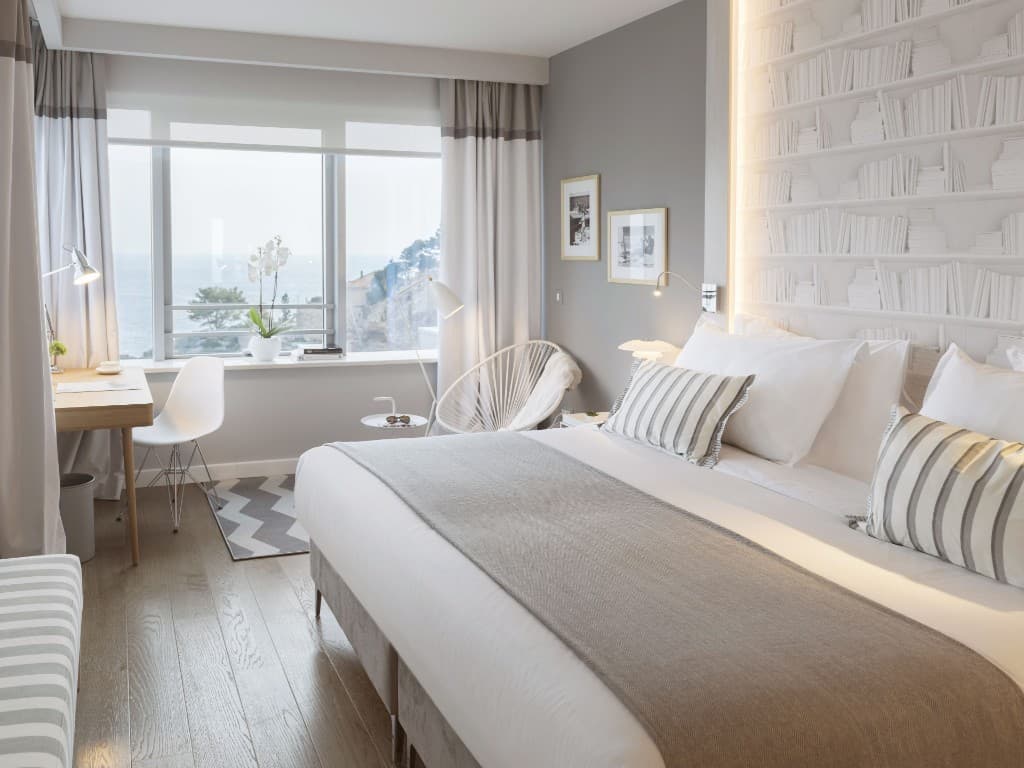
Hotel pricing in Croatia is sharply seasonal and sharply geographic. The same sea-view suite can vary by a factor of three between February and August.
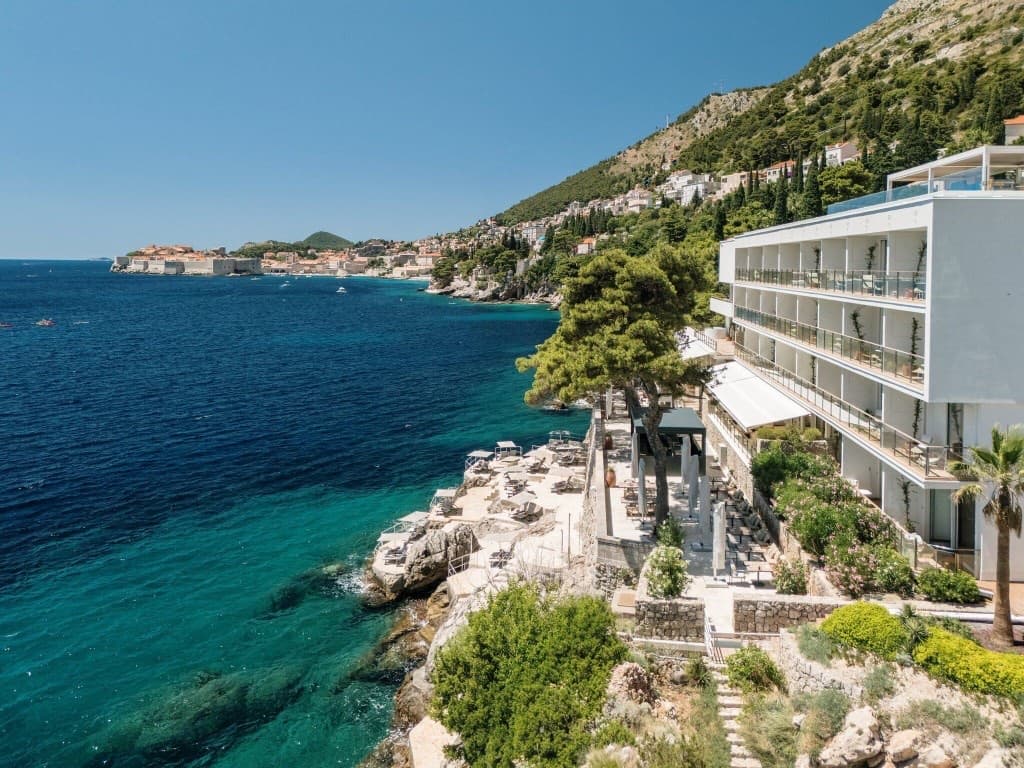
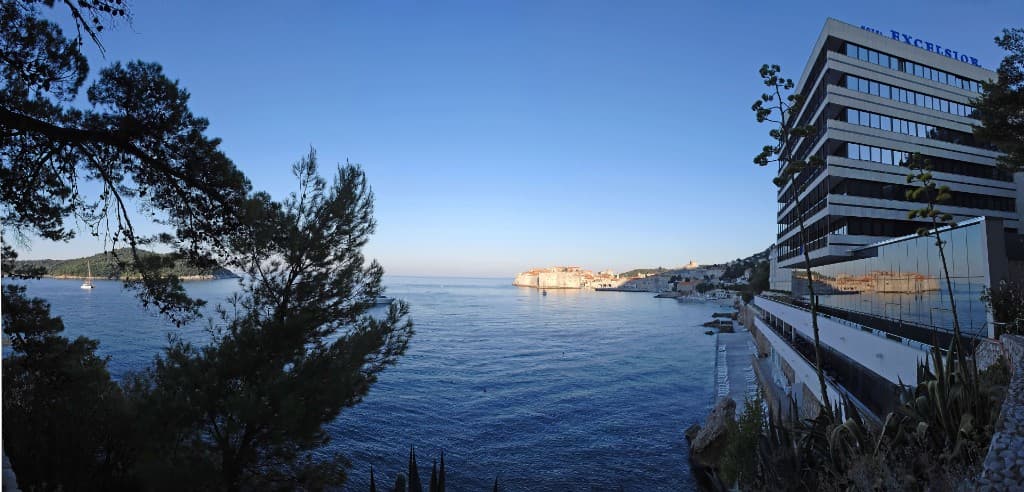
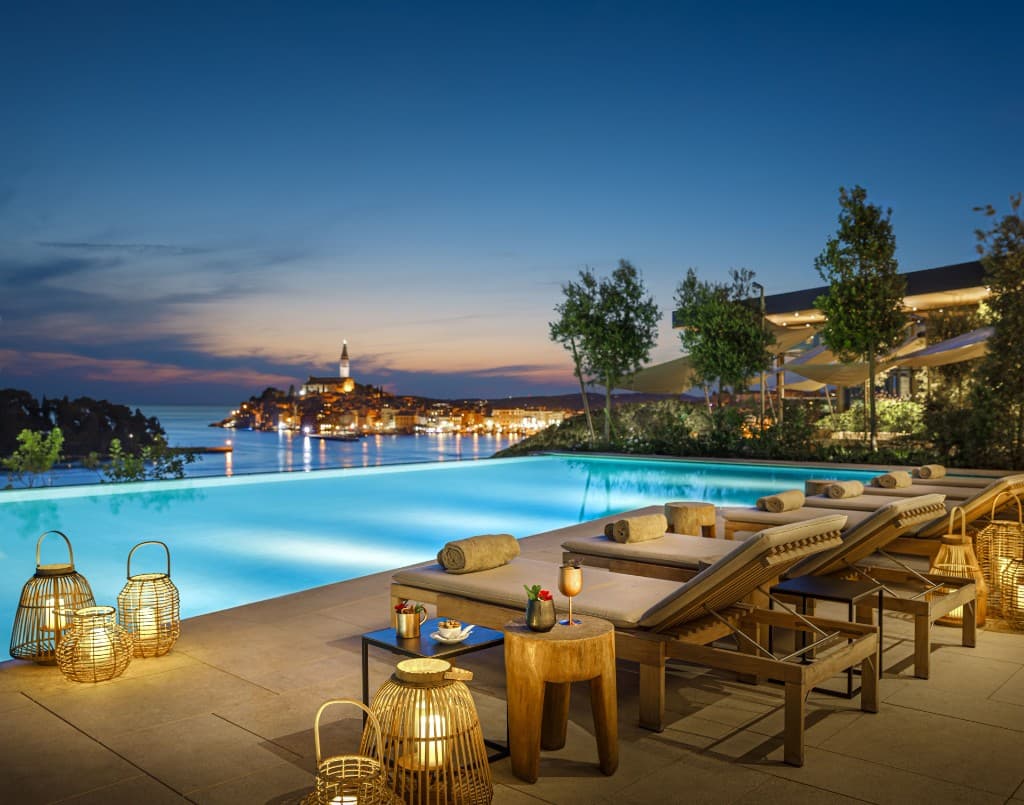
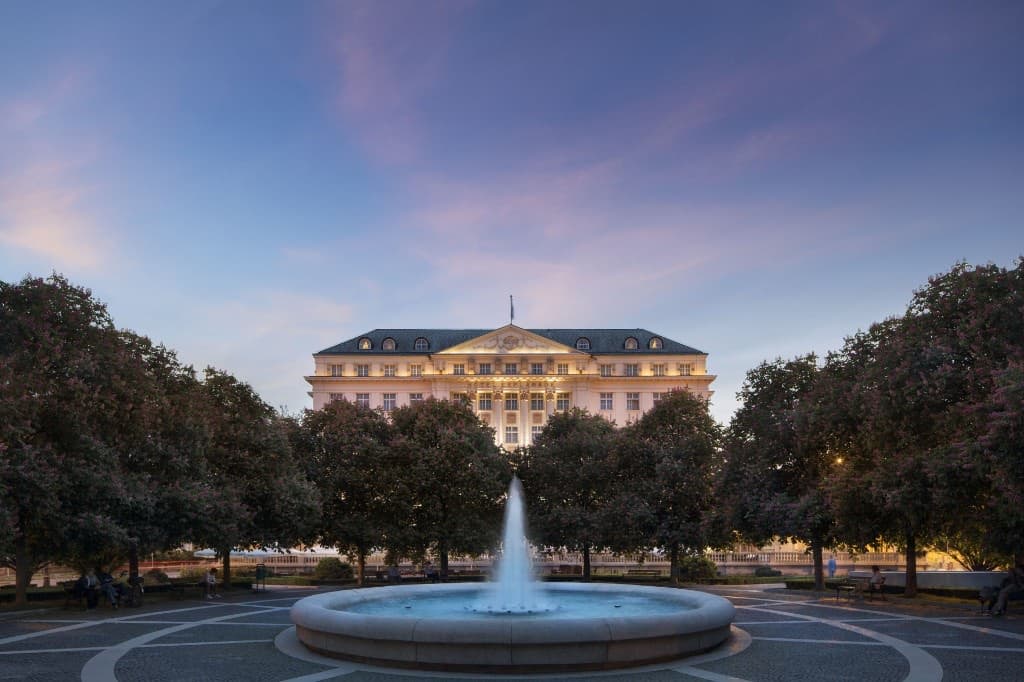
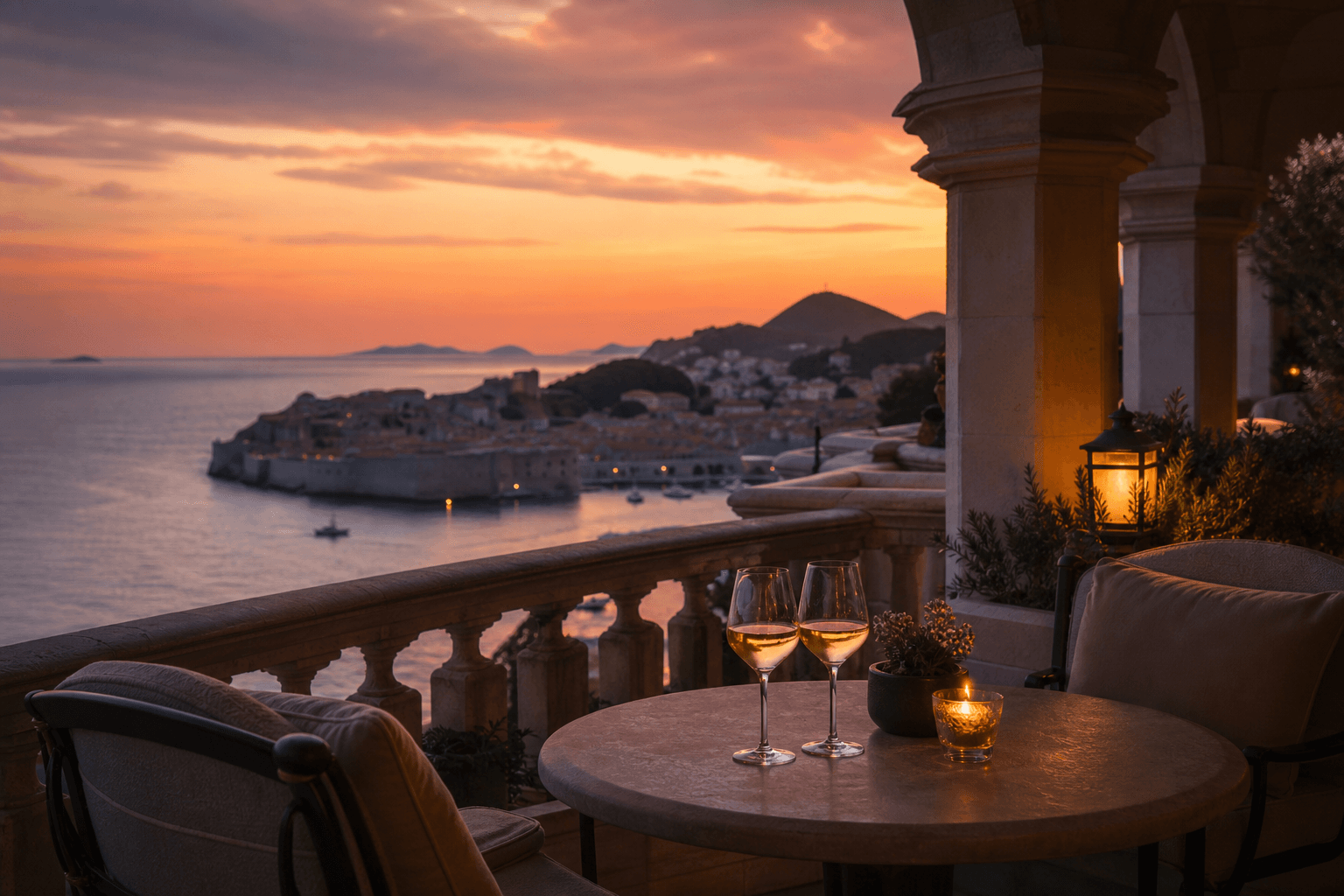
Dubrovnik is the most expensive address in the country. Flagship five-stars run €500–900 per night in July–August, with signature suites well past €1,500. Hvar follows close behind, especially boutique properties with limited rooms. Istria is the insider value: design-led five-stars around Rovinj cost €350–600 in peak season while matching Dalmatia on quality. Zagreb is the outlier — grand five-star heritage hotels for €150–300, year-round.
The single biggest lever isn't destination — it's timing. Shift the same trip from early August to mid-September and hotel spend drops 25–35% while the sea stays warm. We've broken this down month by month in our best time to visit Croatia guide.
Food & Wine: The Pleasant Surprise
This is where Croatia quietly beats Italy and France. A tasting menu at a Michelin-starred restaurant costs €120–180 per person — comparable experiences in Positano or Provence run half again as much. More telling is the everyday level: a superb konoba dinner for two — fresh fish by the kilo, local Pošip or Plavac Mali, grappa on the house — lands at €80–120. Coffee on a five-star terrace is still €3–4, not the €9 of Venice.
The exceptions: Hvar Town beach clubs and Dubrovnik's most touristed terraces, where prices reach international resort levels. Walk ten minutes inland and quality goes up while prices come down.
Boats, Transfers & Experiences
- Day charter (speedboat, skippered): €600–1,200 depending on boat and route — the Pakleni Islands or Elaphiti day is the best money you'll spend in Croatia
- Weekly crewed yacht: from €15,000 (motor) or €8,000 (sailing) plus expenses — details in season
- Private transfers: Dubrovnik airport–Old Town €60–80; Split–Dubrovnik €250–300
- Catamaran tickets (Split–Hvar–Dubrovnik): €30–50 per person — luxury travel's best bargain
- Private guides & tastings: €150–350 for half-day wine or truffle experiences in Istria
Croatia vs Italy vs Greece: The Value Question
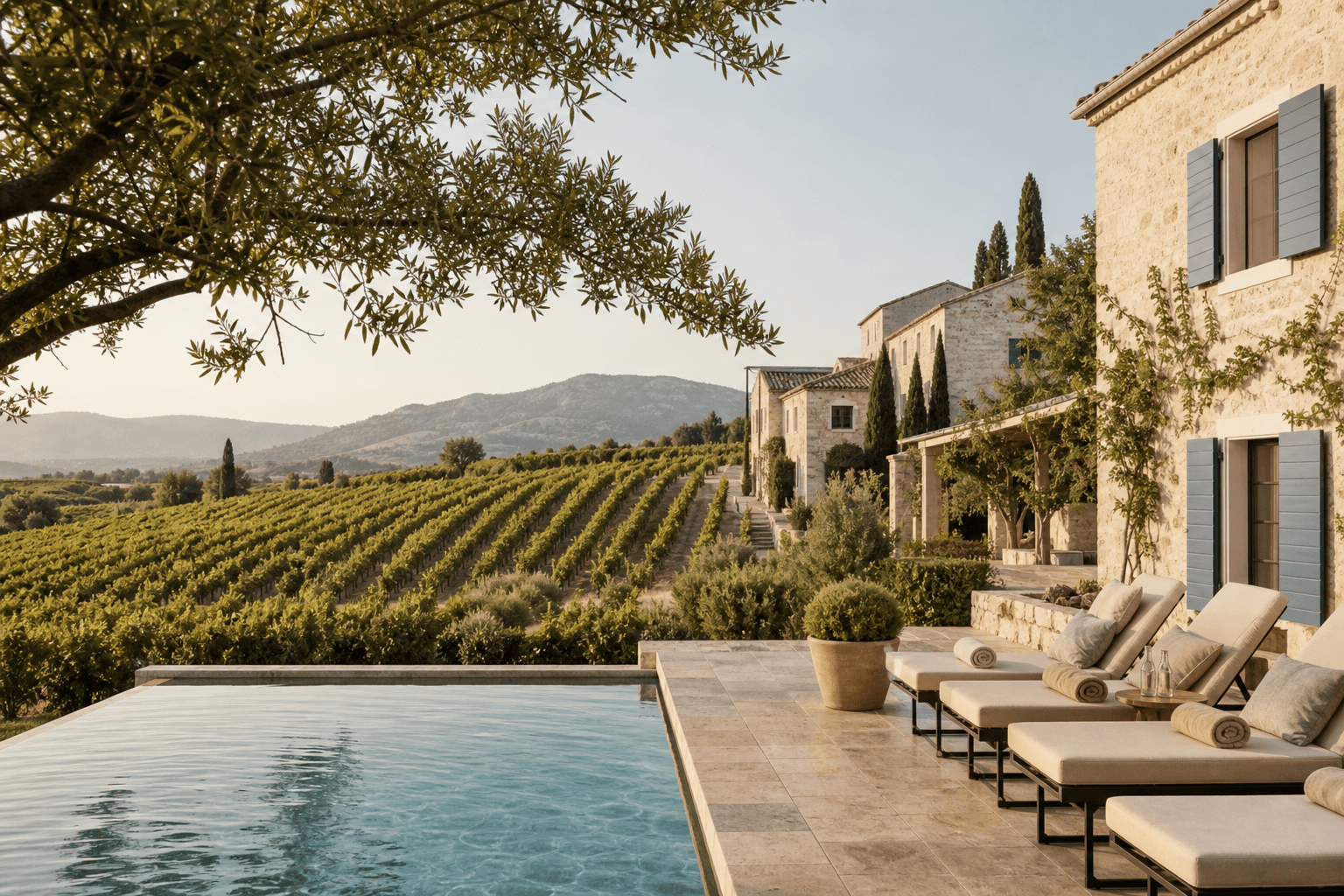
Like-for-like, a week at the level described here costs roughly €9,000–12,000 on the Amalfi Coast, €7,000–10,000 on Santorini or Mykonos, and €5,000–8,000 in Croatia — same sea, same weather, arguably better swimming water. Croatia's five-star hotel stock is also newer: most top properties were built or fully renovated in the last decade.
Where Croatia is *not* cheaper: peak-season Hvar nightlife, marina berths, and last-minute August bookings, where scarcity pricing kicks in hard.
Sample Budgets for Two (7 Nights)
- Smart luxury, September: four-star-plus and boutique five-star hotels, one boat day, great dining — €4,000–5,000
- Full five-star, June/September: the hotels from our 7-day itinerary, private transfers, boat day, fine dining — €5,500–7,500
- No-compromise, peak August: signature suites, private speedboat transfers, daily charters, top tables — €10,000–15,000+
The Bottom Line
Croatia is no longer a budget destination — and at the luxury level, that's irrelevant. What matters is value per euro, and there Croatia still leads the Mediterranean: newer hotels, emptier seas, and a total trip cost 20–40% below Italy or the Greek islands at the same standard. Time it for June or September and the gap widens further.