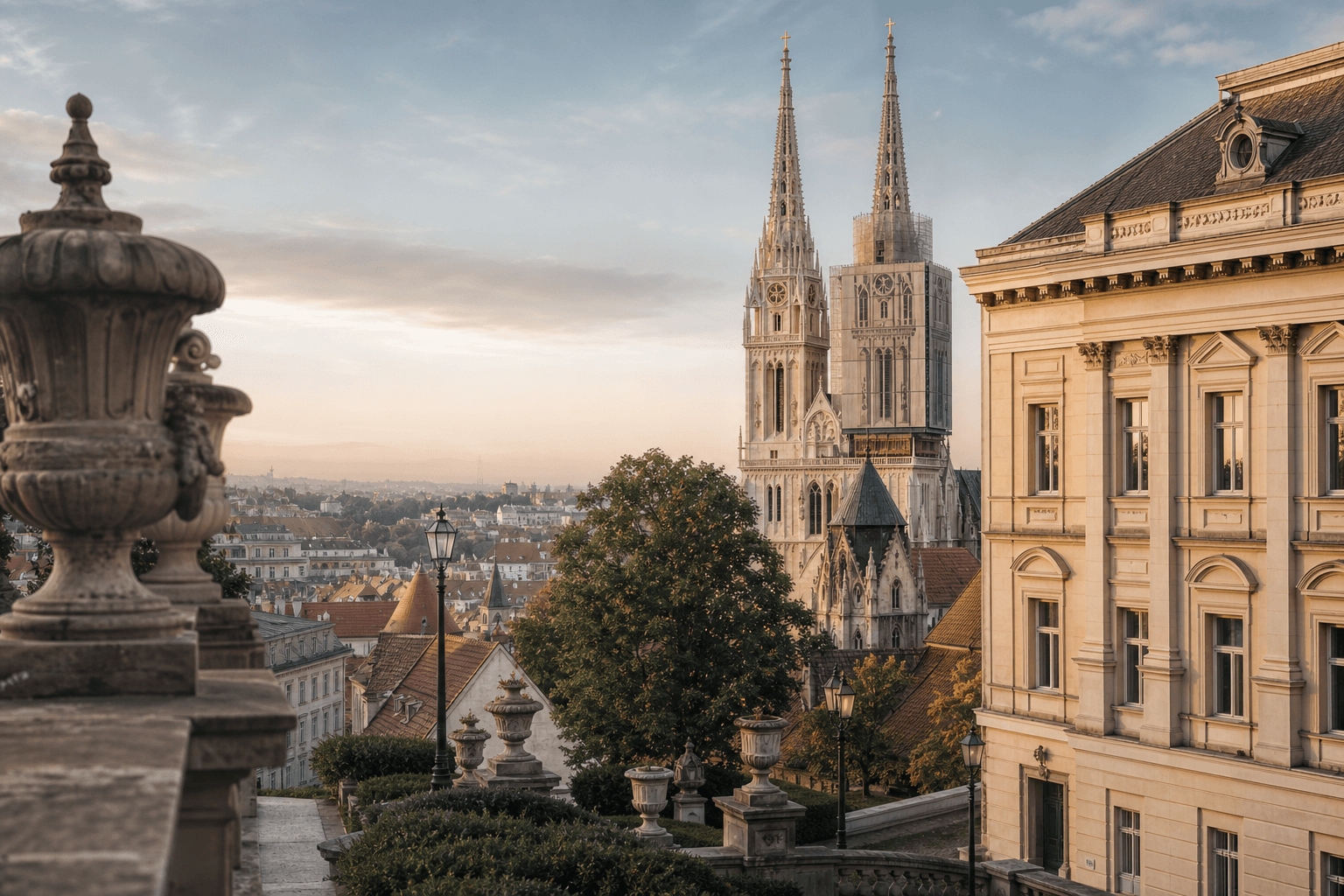
15 July 2026 · 4 min read
Zagreb is the Croatia most beach-bound travelers never meet — a Habsburg-era capital of leafy boulevards, serious coffee culture and grand hotels at prices that would barely buy a three-star in Dubrovnik. Whether you're here for a night between flights or a proper city break, where you stay is simple: the city's best addresses cluster within a fifteen-minute walk of each other.
Here's the map, and the hotels worth booking.
The Quick Answer
Stay in the Lower Town (Donji grad). Zagreb's five-star row sits along the green Lenuci Horseshoe between the main square and the railway station — you'll walk everywhere that matters. The Upper Town is for wandering, not sleeping (it's mostly museums and government buildings), and the business district south of the centre trades location for modern rooms and better weekend rates.
Lower Town — Where You Actually Want to Be
The 19th-century grid between Ban Jelačić Square and the station is Zagreb at its best: pavement cafés, Secession façades, the Croatian National Theatre, and parks laid out like a green horseshoe through the city's heart.
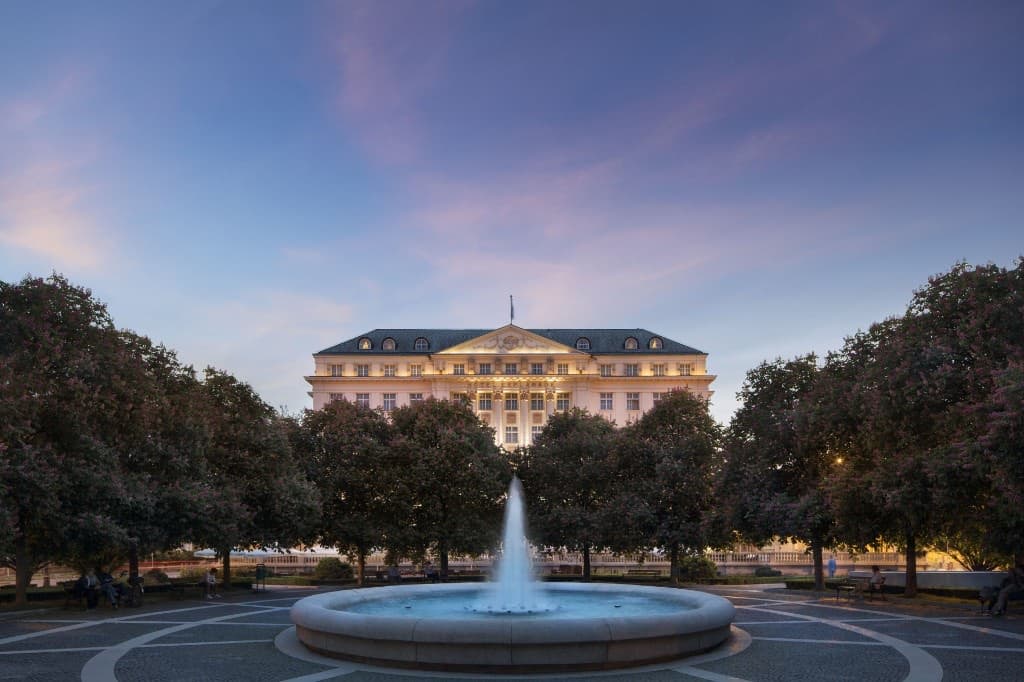
Two addresses define it. The Esplanade, built in 1925 for Orient Express passengers, is the city's icon — Art Deco marble, one of Croatia's best restaurants (Zinfandel's), and service polished by a century of statesmen and film stars. It remains, for our money, the best-value grand hotel in this part of Europe.
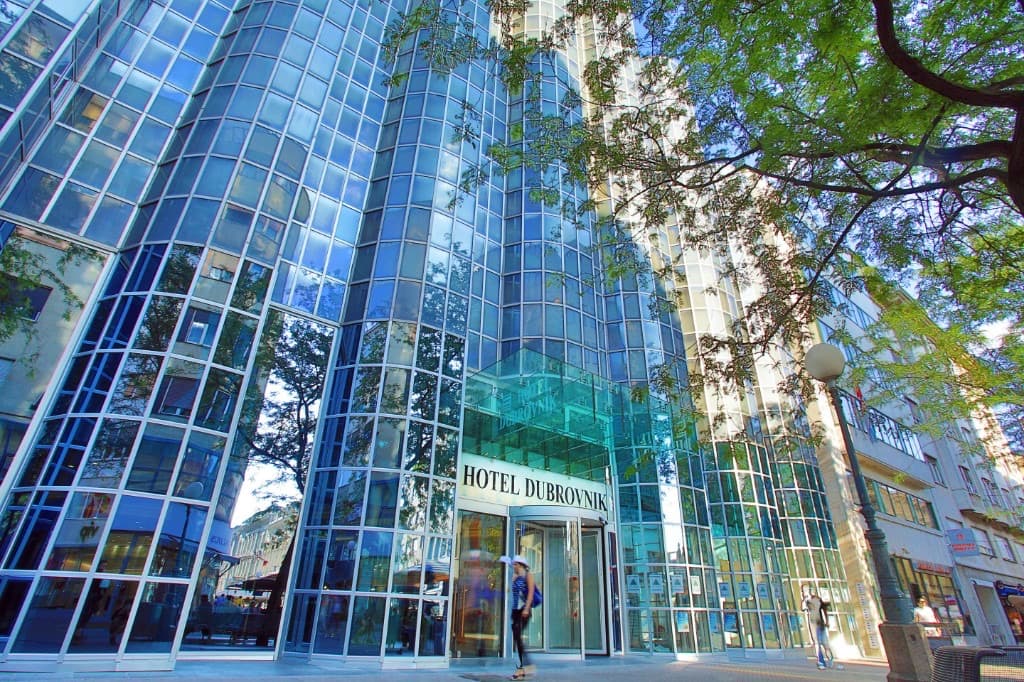
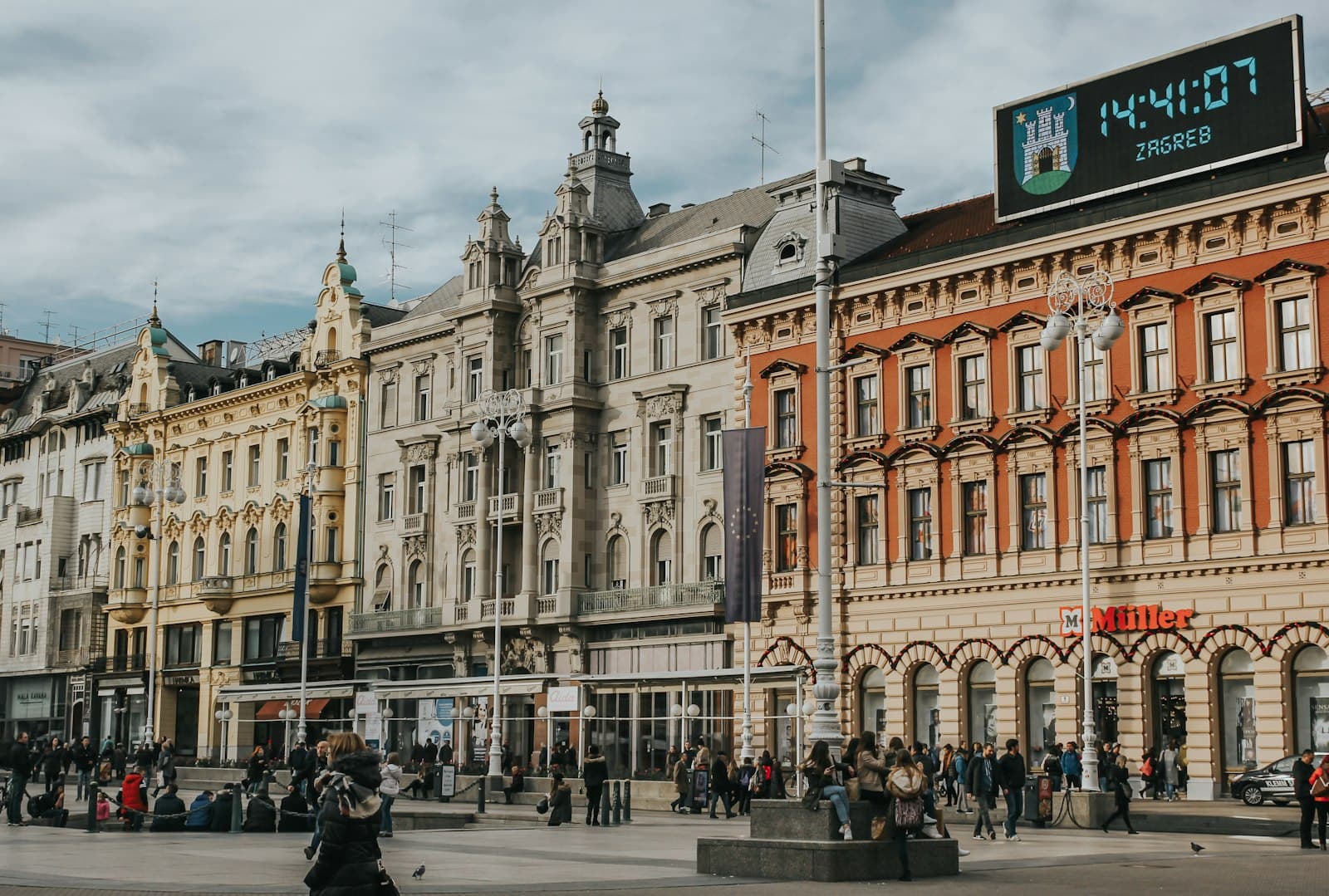
A five-minute walk north, Hotel Dubrovnik puts you directly on Ban Jelačić Square — the city's living room. Rooms are contemporary rather than grand, but no hotel in Zagreb beats the location: cafés, markets and the Upper Town funicular are all steps away.
Upper Town & Kaptol — For Wandering, Not Sleeping
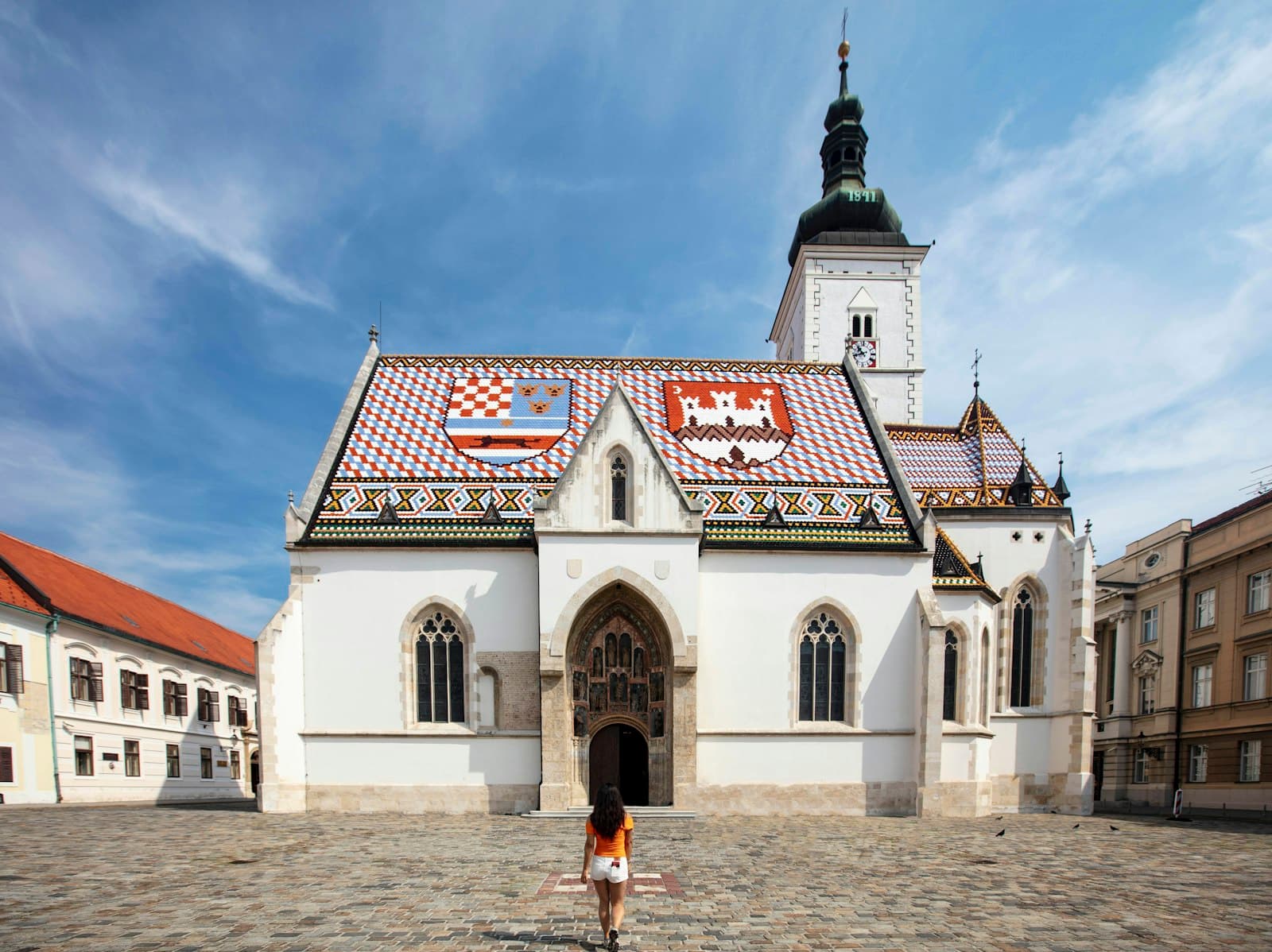
Gornji grad — cobblestones, gas lamps still lit by hand each evening, St. Mark's tiled roof — is Zagreb's postcard, best explored on foot from a Lower Town base. Hotel stock here is limited to small boutique properties; charming, but you give up the space and spas of the grand hotels five minutes downhill. Visit at dusk when the tour groups leave and the lamplighter makes his rounds.
Around the Station & the Green Horseshoe
The blocks around the railway station are more useful than they sound: this is the Esplanade's neighbourhood, the airport bus terminus, and the launch point for day trips. The parks between here and the square — Zrinjevac especially — host Zagreb's beloved seasonal festivals, from spring flower shows to Europe's best-rated Christmas market.
New Zagreb & the Business District — The Modern Option
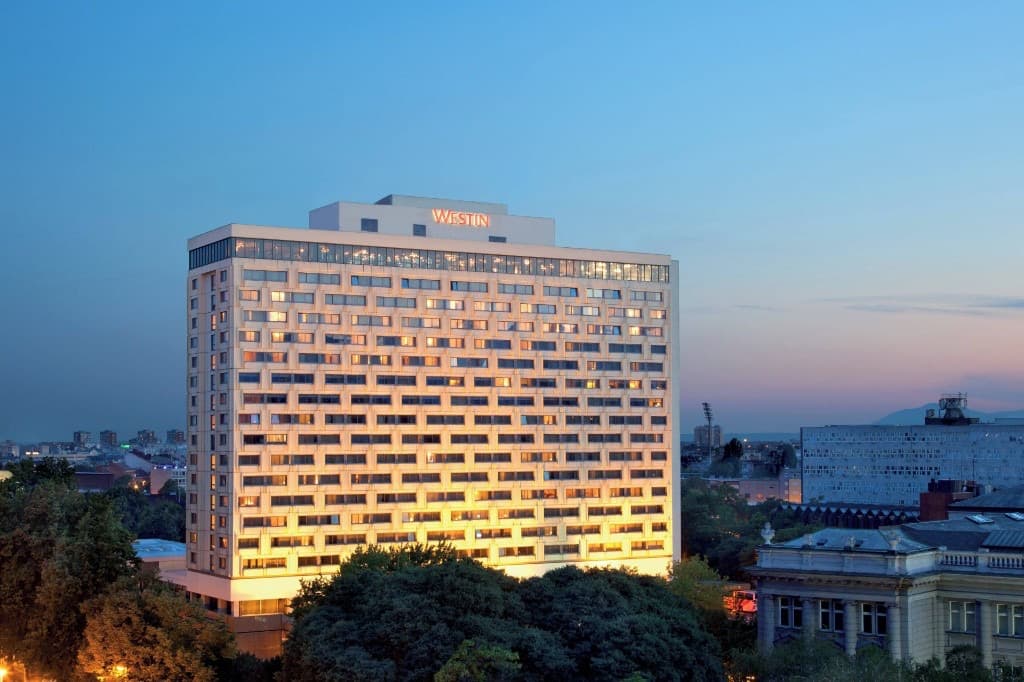
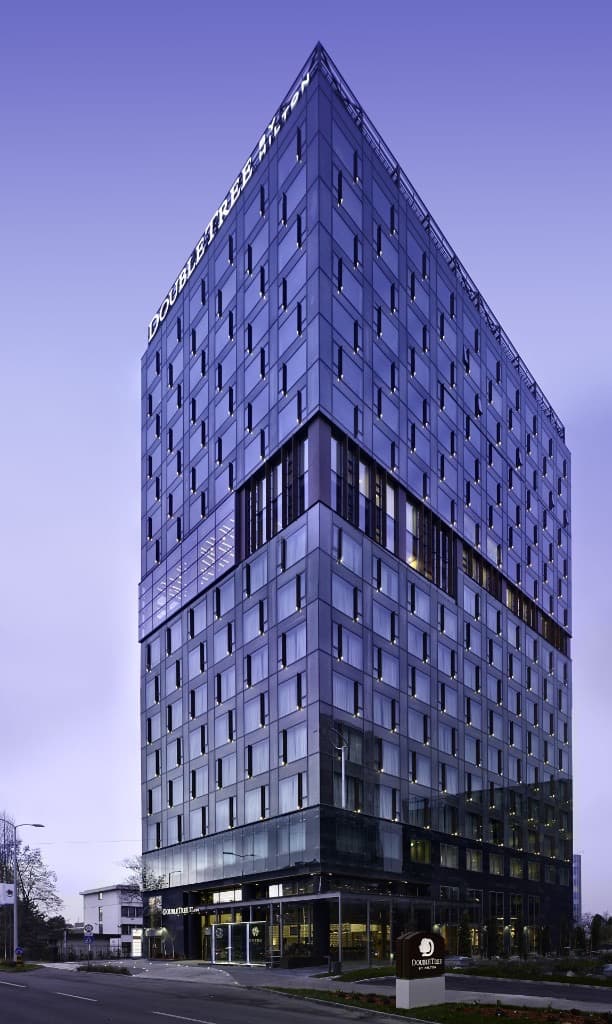
South and west of the centre, The Westin and DoubleTree by Hilton offer big modern rooms, pools and gyms, usually 15–25% below the old-town icons — and their weekend rates can be outstanding, since both lean on business traffic. A 10-minute taxi (€7–10) covers the gap to the square. Choose this zone for one-night stopovers with lots of luggage, or when the centre is booked out during festivals.
When to Come
Zagreb is Croatia's only true year-round destination. December is the headliner — Advent in Zagreb has repeatedly been voted Europe's best Christmas market, and the Esplanade in festive dress is worth the trip alone. Spring and early autumn bring café terraces and festival season. Summer is the quiet, local Zagreb — hot afternoons, half the city at the coast, hotel rates at their gentlest. For how Zagreb fits a coastal itinerary, see our first-timer's guide to Croatia and month-by-month guide.
Practical Notes
- From the airport: 25–30 minutes by taxi (€25–35) or hotel transfer.
- Getting around: the entire centre is walkable; trams cover everything else. You won't need a car unless you're day-tripping.
- Day trips: Plitvice Lakes (2 hours), the wine hills of Zagorje and Samobor's cream cakes (30–45 minutes).
- Prices: Zagreb's five-stars run €150–300 per night — roughly a third of coastal peak-season rates, year-round.