15 July 2026 · 3 min read
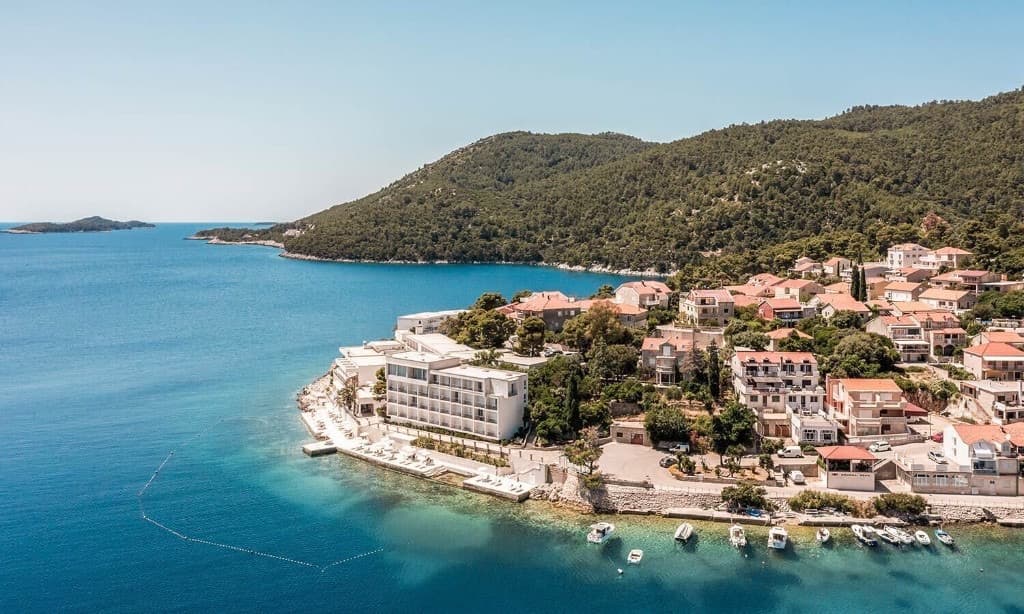
Every destination has a secret month — the window when locals say "this is when you should have come." For Croatia, it's September. The sea is at its warmest all year, the light turns from white to gold, the grape harvest begins, and the crowds that packed the Old Towns in August simply evaporate after the first week.
For luxury travelers, the math is even better: the same five-star suite costs 25–35% less than three weeks earlier, while every hotel, restaurant and boat still runs at full-season strength. Here's exactly what to expect — and how to use the month well.
Why September Beats July and August
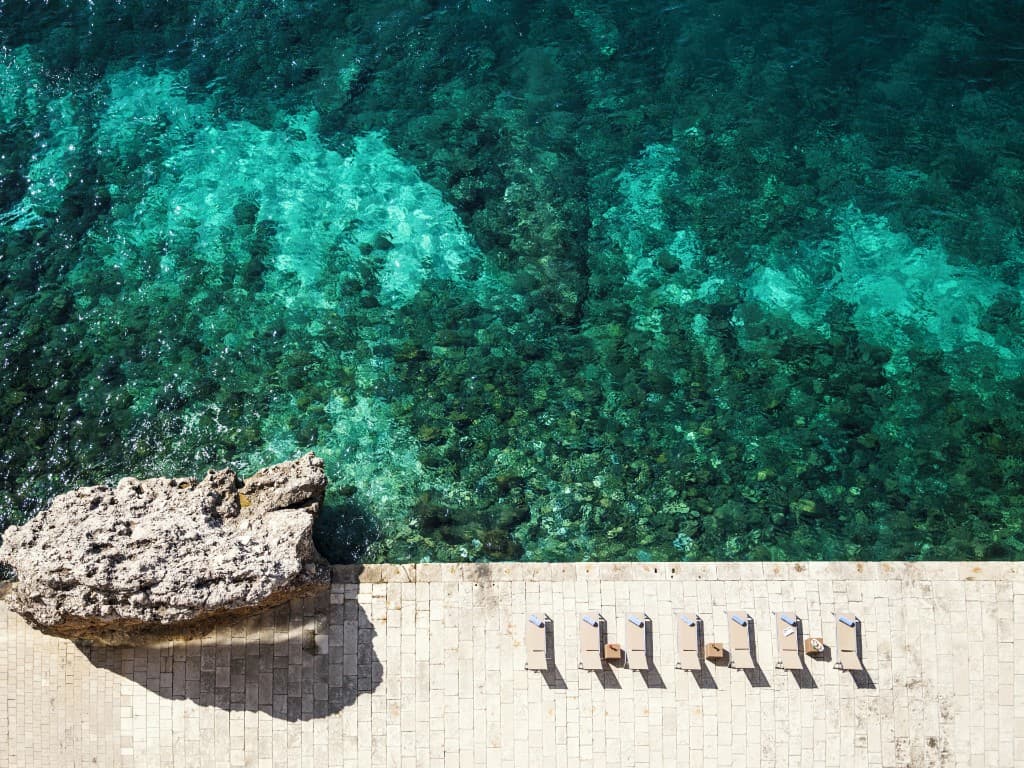
- The warmest sea of the year. The Adriatic peaks after summer's long heating — 24–26°C in early September, still 22–23°C at month's end. Better than June, without August's scorch.
- Perfect air temperatures. 25–28°C days, 18–20°C evenings — warm enough for beach days, cool enough to walk Dubrovnik's walls at noon.
- The crowds leave. European school terms restart the first week; occupancy drops visibly by the 10th. You'll have Dubrovnik at dusk nearly to yourself by mid-month.
- Rates drop, service doesn't. Hotels keep full summer staffing through September while pricing shifts to shoulder-season — the year's best quality-to-cost ratio at Croatia's top hotels.
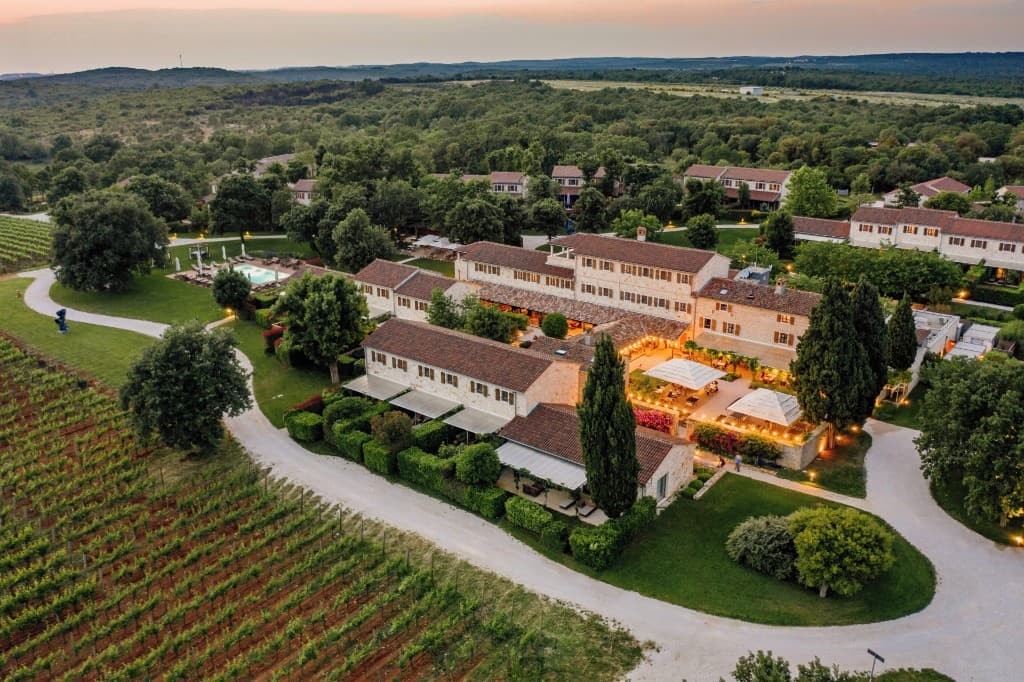
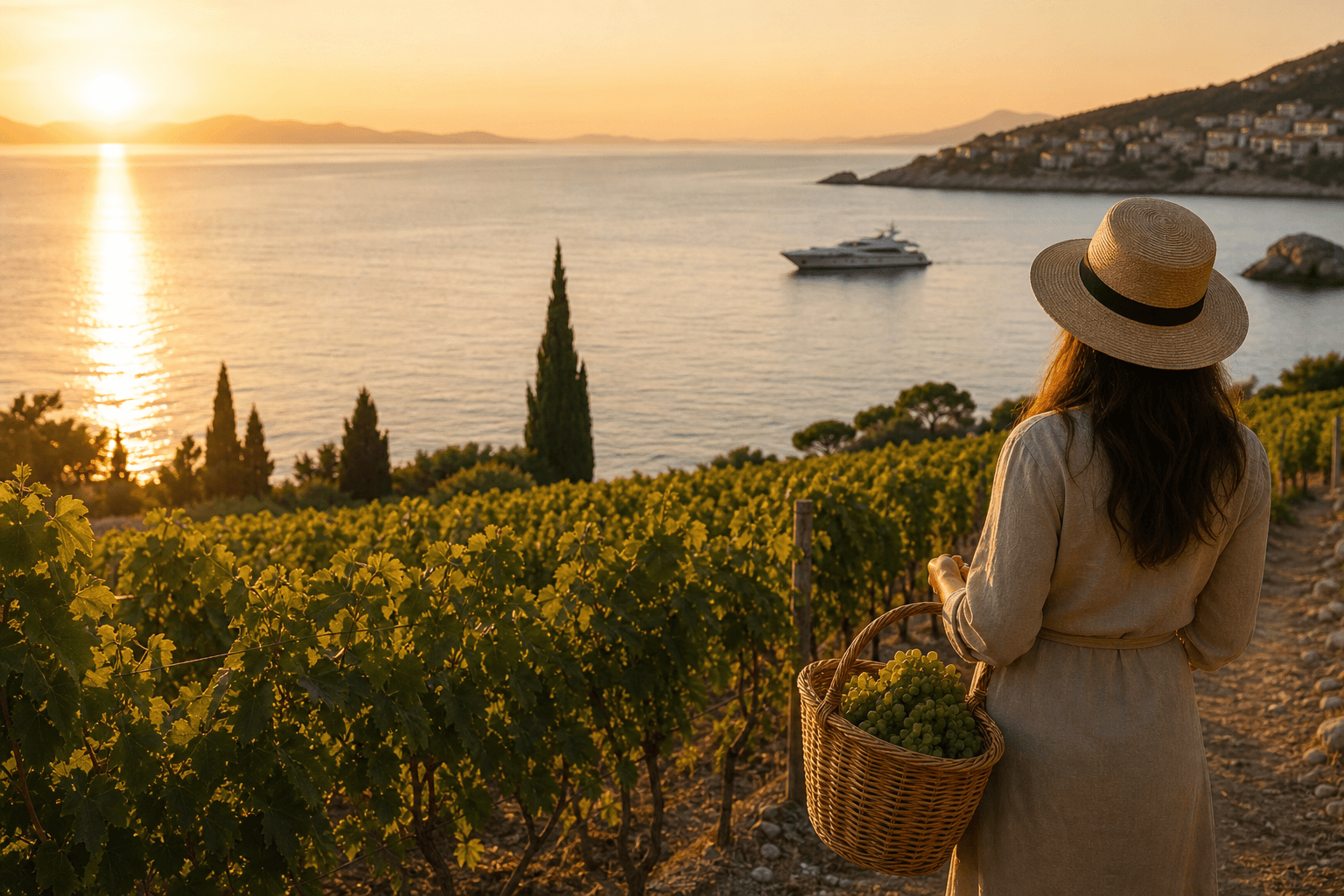
- Harvest begins. Grapes in Istria and on Pelješac, the first figs and olives — September is when Croatia's food story peaks. Wine-focused travelers should build the trip around it: see our wine hotels guide.
September Week by Week
Week 1 (1–7): Still effectively high season — warm, lively, with the last of the summer events. Rates start easing mid-week. Good for travelers who want buzz *and* better value.
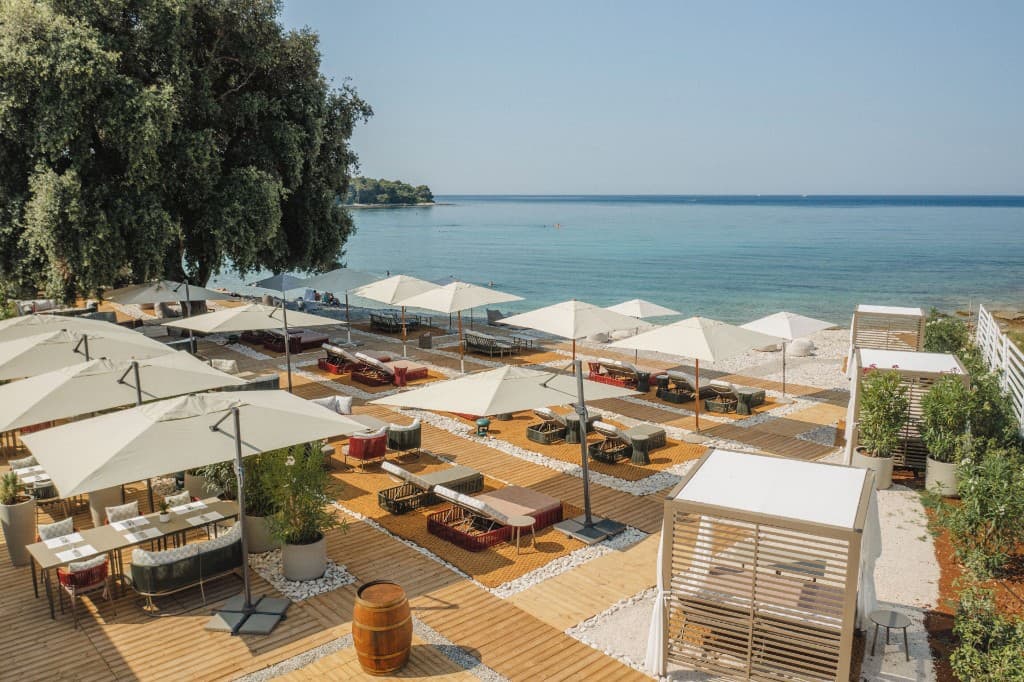
Weeks 2–3 (8–21): The sweet spot. Crowds gone, sea at 24–25°C, golden light, every service running. If you can travel any two weeks of the year, make it these.
Week 4 (22–30): Quieter and moodier — first autumn showers possible in Istria, sea still very swimmable in Dalmatia. Best value of the month; some beach clubs begin winding down on smaller islands.
Where September Shines Brightest
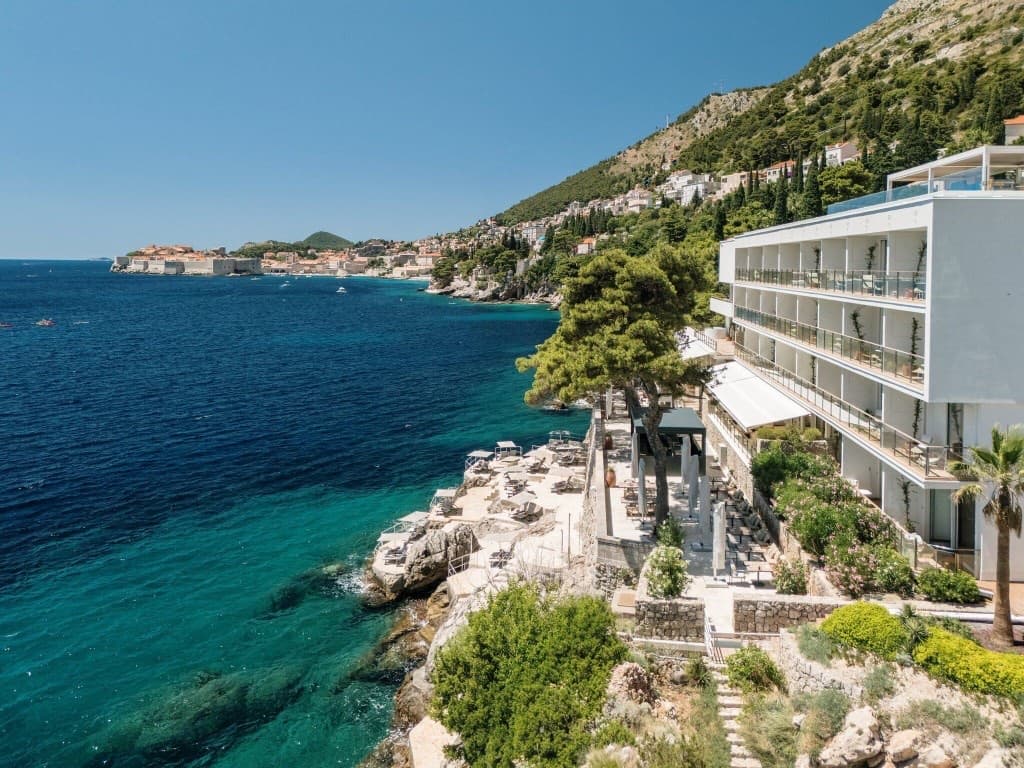
Hvar trades its August yacht-party energy for what the island actually is: lavender hills, empty coves, long lunches at Palmižana without a waiting list. Dubrovnik becomes walkable at any hour — the walls at sunset in September are the single best sight in Croatia. Istria enters its greatest month: grape harvest, the first white truffles, and vineyard lunches in golden light. Korčula and the quieter islands feel like private discoveries.
Our 7-day Dubrovnik–Hvar–Split itinerary works at its absolute best in September — same route, fewer people, lower bills. For the full coast including Istria, the 10-day Istria-to-Dubrovnik route is ideal in September too.
What to Know Before Booking
- Book by early summer. September is no longer a secret — the best suites at the famous hotels now sell out 3–5 months ahead as savvy travelers shift from August.
- Catamarans run full schedules through September; most island routes taper from mid-October, so a multi-stop itinerary works without compromise.
- Pack one layer. Evenings dip below 20°C late in the month — a light jacket covers it.
- Watch for the bura. Early autumn can bring a day or two of strong, dry northern wind, which happens to bring the clearest skies of the year — locals consider it a gift.
The full seasonal picture — every month compared — is in our best time to visit Croatia guide.